Asthma Treatment in Vadodara
What is Asthma?
Asthma is a chronic inflammatory condition of the airways that affects the lungs and makes breathing difficult. It can limit daily activities and, in severe cases, interfere with normal physical exertion. Proper diagnosis and timely treatment play a crucial role in controlling symptoms and preventing complications.
To understand asthma, it is important to know how normal breathing works.
Under normal conditions, air enters through the nose, passes down the throat into the airways, and reaches the lungs. Inside the lungs are many small air passages that allow oxygen from the air to enter the bloodstream efficiently.
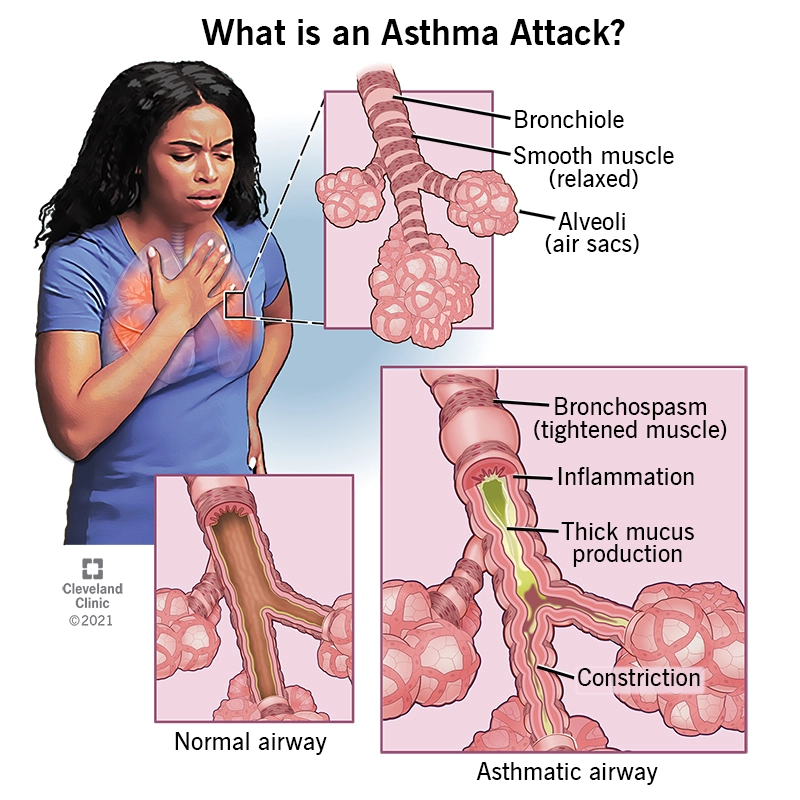
In asthma, the lining of these airways becomes swollen and inflamed, and the surrounding muscles tighten. Thick mucus may also accumulate inside the airways. Together, these changes narrow the air passages and reduce airflow, making breathing difficult.
These changes can lead to an asthma attack, which typically causes coughing, wheezing, chest tightness, and shortness of breath.
Causes of Asthma
Several factors may contribute to the development of asthma:
- Genetics: A family history of asthma increases the likelihood of developing the condition.
- History of viral infections: Childhood respiratory infections may increase the risk of asthma later in life.
- Hygiene hypothesis: Limited exposure to microbes early in life may affect immune system development, increasing asthma risk.
- Early allergen exposure: Repeated exposure to allergens and irritants can trigger airway sensitivity and inflammation.
Risk Factors for Asthma
Certain factors may increase the risk of developing asthma or worsening symptoms:
- Having a close family member with asthma
- Presence of other allergic conditions such as allergic rhinitis or eczema
- Being overweight
- Smoking or exposure to tobacco smoke
- Long-term exposure to air pollution, dust, or chemical fumes
Prevention of Asthma
Although asthma cannot always be completely prevented, proper management and preventive measures can significantly reduce symptoms and asthma flare-ups.
- Follow a personalized asthma action plan: An individualized asthma action plan helps patients understand daily medications and how to manage sudden worsening of symptoms. Under the guidance of Dr Ashish Chhatravala, pulmonologist in Vadodara, patients receive structured treatment plans focused on long-term asthma control and regular monitoring.
- Stay updated with vaccinations: Vaccinations against influenza and pneumonia help prevent respiratory infections that can trigger asthma attacks and worsen breathing problems, especially in patients with chronic lung conditions.
- Identify and avoid asthma triggers: Common triggers include dust, pollen, mold, smoke, cold air, strong odors, and air pollution. Identifying personal triggers and minimizing exposure plays a vital role in preventing asthma flare-ups.
- Monitor your breathing regularly: Learning to recognize early warning signs such as mild coughing, wheezing, or shortness of breath allows early intervention. Regular monitoring of peak airflow using a peak flow meter helps detect changes in lung function before symptoms become severe.
- Maintain a healthy lifestyle: Avoid smoking and second-hand smoke exposure, maintain a healthy weight, manage allergies effectively, and stay physically active as advised to reduce asthma-related complications.
Diagnosis of Asthma
To rule out other respiratory conditions such as infections or COPD, a detailed physical examination is performed. The doctor will also ask about symptoms, medical history, and possible triggers.
Additional Tests
Further tests may be recommended to confirm asthma, including:
- Imaging tests
- Allergy testing
- Sputum eosinophil analysis
- Provocative tests for exercise- or cold-induced asthma
- Lung function tests such as spirometry
Treatment of Asthma
Asthma treatment focuses on controlling symptoms, preventing flare-ups, and improving lung function. Treatment plans are personalized based on severity and patient response.
When to Consult a Pulmonologist?
You should consult a pulmonologist if asthma symptoms are frequent, worsening, or affecting daily activities despite regular medication.

Dr Ashish Chhatravala
Best Pulmonologist in Vadodara
15+ years of experience in treating chronic lung diseases.
Book An Appointment